Total: $0.00
Baby can't wait?
(exclusive offer)

Most formula guides start by telling you how important this decision is. You already know that. What you actually need is someone to explain what’s in these products, why some are genuinely better than others, and which one makes sense for a baby who is days or weeks old and still figuring out how digestion works.
The 0-3 month stage is its own category. A newborn’s gut is not the same as a six-month-old’s gut, and the formula you choose in those first weeks can have a real effect on how comfortable - or uncomfortable - your baby feels. That’s why we’ve written this article just for you - to help you understand all the details and choose the best brand based on both ingredients and reviews. But most importantly, we want your little one to feel comfortable from the first days of life.
Here’s something most formula marketing won’t tell you: a newborn’s gut is not ready for much. In the womb, your baby got everything through the umbilical cord - no digestion required. Now, suddenly, it has to do real work. That shift happens fast, and what you put in matters more in these first weeks than at almost any other point.
So what are you actually looking for on that ingredient label?
Protein ratio. Breast milk is mostly whey in the early weeks - roughly 60% whey to 40% casein. Whey is soft and breaks down quickly. Casein is denser, forms a heavier curd, and takes longer to move through a tiny stomach. The best formula for newborns should be whey-heavy. If it doesn’t, you’ll likely notice it - harder stools, more discomfort, a baby who seems uncomfortable even after a full feed.
Where the fat comes from. Fat is the main fuel for a developing brain, so the source matters. A lot of formulas use palm oil - it’s cheap and contains palmitic acid, which does occur naturally in breast milk. One drawback is that palm oil interacts with calcium in the intestines, which can make feces hard and difficult to pass. Formulas that use whole milk or cream instead of pure vegetable oils tend to be noticeably easier on digestion.
Carbohydrates - specifically, what kind. Lactose is what’s in breast milk. It’s the carb a newborn’s body is built to handle. It also feeds the good bacteria that are trying to get established in those early weeks. The issue is that lactose costs more to source, so plenty of formulas swap it for maltodextrin or corn syrup. Both are cheaper, both create a thicker texture, and neither is what a brand-new gut needs. For any Stage 1 or PRE product, lactose should be first on the carb list.
European formulas have built a loyal following among American parents, largely because they are subject to stricter ingredient regulations. Corn syrup, synthetic preservatives, and certain additives that are standard in US formulas are simply banned in the EU. Here are the four options that consistently rank as the best newborn formula choices for the earliest months.
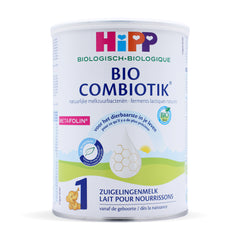
HiPP Combiotic Stage 1. The HiPP newborn formula is built around what the brand calls its “Combiotik” blend - a combination of prebiotics and probiotics, including lactic acid cultures originally isolated from breast milk. It’s whey-dominant, uses organic lactose as the primary carb, and is free from palm oil. For parents who want active gut support from day one, this is the most comprehensive option on the list.
Holle Bio PRE / Stage 1. If a short, clean ingredient list matters to you, Holle newborn formula is worth considering. It carries the Demeter certification - a step above standard organic, requiring full biodynamic farming practices. PRE stage uses only organic lactose as its carb source, no starch or maltodextrin whatsoever. There are no added probiotics, which is a deliberate choice: Holle believes in letting the baby’s own gut flora develop without synthetic intervention.
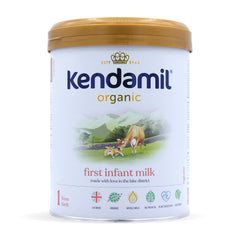
Kendamil Organic Stage 1. What makes the Kendamil formula newborn stand out is its use of whole milk fat rather than a blend of vegetable oils. This produces a creamier texture and a fat profile that more closely resembles breast milk. It’s also the only major European organic formula that sources DHA from algae instead of fish oil, making it suitable for vegetarian families. It also contains Human Milk Oligosaccharides (HMOs), which support immune development and are naturally found in breast milk.
Holle Goat Milk Stage 1. For babies who seem to struggle with standard cow’s milk formulas, goat milk newborn formula is often the first thing a pediatrician will suggest before going to a fully hydrolyzed option. Goat milk forms a smaller, softer curd in the stomach, which tends to be easier on babies who are consistently fussy after a bottle.
|
Feature |
HiPP Combiotic |
Holle Bio |
Kendamil Organic |
Holle Goat |
|
Certification |
EU Organic |
Demeter |
EU Organic |
Demeter |
|
Protein base |
Whey-dominant |
Balanced |
Whole milk |
Goat protein |
|
Probiotics |
Yes |
No |
No |
No |
|
Palm oil |
No |
Yes |
No |
Yes |
|
US availability |
Online |
Online |
Target / Online |
Online |
Feeding volumes change fast in the first three months, and there’s no single number that works for every baby. But having a general framework helps - especially in the early weeks when it’s hard to tell whether your baby is genuinely hungry or just unsettled for another reason.
Weeks 1-2: Around 60-90 ml (2-3 oz) per feed, roughly every 2-3 hours.
Month 1: Increasing to about 90-120 ml (3-4 oz) per feed.
Months 2-3: Most babies are taking 120-150 ml (4-5 oz) per feed by this point.
Can you overfeed a newborn on formula? It’s a legitimate concern and comes up a lot. Unlike breastfeeding - where the baby has to work for each mouthful - a bottle flows freely, and babies don’t always self-regulate the way you’d expect. Signs of overfeeding include frequent spit-up, gassiness, and visible discomfort after feeds. Paced bottle feeding, where you hold the bottle more horizontally and let the baby take breaks, helps a lot.
A practical question many parents ask is how long does formula last newborn cans typically go once opened. Most European brands - whether powder or ready-to-feed - ask you to use the opened container within 3-4 weeks. A standard 400-800g tin usually lasts 3-5 days, depending on feed volumes, so you shouldn’t have leftovers sitting around long enough to be an issue. That said, always check the specific label.
Gas is one of the most common complaints in the first three months, and it’s usually written off as “just what newborns do.” Sometimes that’s true. But it can also signal that something in the formula isn’t sitting well - most often a reaction to palm oil, a difficult protein structure, or a carbohydrate that’s fermenting in the gut.
If you’re looking for the best formula for gassy newborns, here’s where to start:
For gas and constipation. Kendamil is a strong first choice because its whole-milk-fat base keeps stools softer and reduces the “soap” effect associated with palm oil. If the gas is more severe, HiPP Comfort is specifically formulated with partially hydrolyzed proteins and reduced lactose, which help limit fermentation.
For reflux. Look for “Anti-Reflux” (AR) formulas. These use natural thickeners, such as carob bean gum, to help milk stay down after a feed without adding unnecessary bulk to the overall composition.
For cow’s milk protein sensitivity. If a doctor suspects a mild reaction to cow’s milk protein, goat milk newborn formula is typically recommended as the first step - before moving to an extensively hydrolyzed medical formula, which is harder to source and considerably more expensive.
Finding the best formula for gassy newborns almost always involves a trial period of around two weeks. The gut needs time to adjust before you can draw any real conclusions. That said, if symptoms are getting worse rather than better, don’t wait - speak to your pediatrician.
One practical note: Kendamil is currently the only major European organic formula available on Target shelves in the US. For families who find it stressful to depend on international shipping, that matters. The best infant formula for newborns is ultimately the one your baby tolerates well and that you can reliably access - and for some families, that consistency is worth a lot.

By: Erika
I'm a proud mom of two who believes in recognizing potential, even when others might not see it. Organic Life Start customer service since 2023.