Total: $0.00
Baby can't wait?
(exclusive offer)

Every few months, a new parent discovers European baby formula and has the same reaction: why does this exist, and why didn't anyone tell me sooner? Then comes the second question — is it actually better, or is this just premium packaging and good marketing?
The answer is: it depends on what you mean by "better." European formulas lead on specific, measurable fronts — ingredient standards, organic certification, carbohydrate quality, DHA requirements. American formulas have genuine advantages that are often overlooked in the conversation.
Let's discover both sides honestly, with actual data, so you can make the call yourself rather than being sold to.
The difference starts at the regulatory level, not the marketing department. European baby formula is governed by the European Food Safety Authority (EFSA), which takes a stricter-is-safer philosophy on several key ingredients. Here's what that looks like in practice:
| Standard | EU (EFSA) | US (FDA) |
|---|---|---|
| DHA requirement | Mandatory in all formulas | Optional |
| Iron levels | Lower maximum limits | Higher fortification |
| Vitamin D minimum | 40 IU / 100 kcal | 20 IU / 100 kcal |
| Pesticide regulations | Stricter restrictions | More ingredients permitted |
| Organic certification | 95% organic + GMO ban | Organic with limited exceptions |
| Carbohydrate sources | Often lactose-only | May include corn syrup solids |
| Age-stage requirements | Structured by developmental stage | Often one-size from birth |
| Allowed sweeteners | More restricted | Broader permitted range |
The EU vs FDA formula standards comparison isn't a story of one being negligent and one being rigorous — both systems are genuinely regulated. The difference is that Europe optimizes for ingredient purity and developmental alignment; the US optimizes for iron fortification and supply reliability.
This is one of the most underappreciated structural differences between European baby formula and US alternatives. Most American formulas are designed to work from birth to 12 months — one formula, the whole first year. European formula stages operate on a different principle: nutritional needs change as a baby develops, and the formula should change with them.
| Stage | Age Range | Also Known As | Key Adjustment |
|---|---|---|---|
| Stage 1 | 0–6 months | Infant First Milk | Whey-dominant, lactose-only |
| Stage 2 | 6–12 months | Follow-On Milk | Increased iron, adjusted protein |
| Stage 3 | 10/12+ months | Growing Up Milk | Vitamins + minerals for solid transition |
| Stage 4 | 12+ months | Toddler Milk | Supports diversified diet |
The European formula stages system reflects EU regulatory requirements that are periodically updated based on infant nutrition research. The practical result: the formula your newborn drinks is nutritionally different from what they drink at seven months — because a seven-month-old's gut, immune system, and brain have different needs.
The best European baby formula 2026 landscape is led by three brands that cover very different approaches:

Most articles on European baby formula vs American read like they're selling something. This one isn't. Here are the four scenarios where American formula is genuinely the better call:
Organic baby formula from Europe ships well when handled correctly — temperature-controlled from the warehouse to the door. A few practical checks before you order:
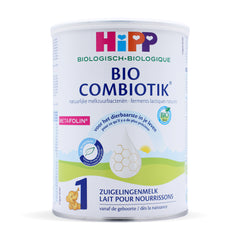
Most brands aren't formally registered with the FDA — they enter the US through import channels. Kendamil is the notable exception, having received FDA approval in 2024. The HiPP and Holle collections at Organic Life Start are sourced directly from European manufacturers through verified import chains.
EU research suggests that high iron levels can interfere with the absorption of zinc and copper and may affect the gut microbiome, effects that are still being studied. Babies at risk of anemia should discuss formula choice with a pediatrician.
In terms of carbohydrate source and protein ratio — yes, meaningfully so. Lactose-only carbs and whey-dominant protein are closer to human milk composition than formulas using corn syrup or casein-heavy protein blends.
HiPP has a broader specialty range and includes probiotics. Holle holds Demeter biodynamic certification and keeps its ingredient lists minimal. Both are excellent — the right choice depends on your baby's needs.
No — as a blanket statement, European infant formula is not universally better.
Yes — for families who prioritize lactose-based carbohydrates, mandatory DHA, strict organic certification, and age-specific developmental nutrition, the advantage is meaningful.
The best European baby formula 2026 isn't a single product — it's the right product for your baby's stage, digestive profile, and your family's practical situation. European baby formula vs American isn't a competition; it's a set of tradeoffs. The 2022 shortage permanently changed how US parents think about supply chain resilience, and it opened the door for European brands to prove themselves on quality — which, for most families who've made the switch, they have.
Organic Life Start is committed to providing accurate, reliable, and trustworthy information to parents and caregivers. We carefully choose credible sources and follow a meticulous fact-checking process to uphold the highest standards in infant nutrition and parenting advice. To learn more about our dedication to accuracy, please explore our editorial guidelines.
Link To Sources

By: Erika
I'm a proud mom of two who believes in recognizing potential, even when others might not see it. Organic Life Start customer service since 2023.



Layla -
This really opened my eyes about European baby formulas and how they’re made differently from ones here in the U.S. I didn’t realize that European options often use more natural ingredients and have stage-specific nutrient mixes that match a baby’s age. Many parents seem to prefer them because they usually have organic, fewer artificial additives and include things like probiotics to support digestion. As a parent, learning about these differences changed how I think about choosing a formula that feels right for my little one. It’s made me more thoughtful about what goes into my baby’s bottles.
Jaron H -
When our baby had a sensitive tummy, I wish I had known about European organic formulas sooner. Switching to one made a noticeable difference in how easily our little one digested milk, and it made feeding time much calmer for all of us. As a dad, seeing my baby comfortable and happy during feeds was such a relief. I definitely recommend looking into these options if your baby struggles with sensitivity.
Giovanni L. -
As a dad, I never imagined how much thought would go into choosing a formula until Lottie came along. After learning more about European options, I decided to try Holle Goat instead of the U.S. brands I had always known. The effect was nearly instantaneous—feeding became more fluid, and Lottie appeared increasingly satisfied after each bottle. What really stood out to me was the ingredient quality and how gently it sat with her. Looking back, choosing a European formula was one of the most reassuring decisions I’ve made for my daughter.