Total: $0.00
Baby can't wait?
(exclusive offer)

You open a can of baby formula and wrinkle your nose at the sharp smell? This specific aroma is familiar to every parent who formula feeds their child. Does formula smell bad — a question that torments moms, especially when first encountering formula.
Remember your surprise when you first smelled it? You expected something pleasant and milky, but got a mixture of fish oil and vitamins. Why does baby formula smell so bad becomes an obsessive thought, especially when your baby refuses to eat.
You prepare a bottle and the whole house fills with this aroma. Guests wrinkle their noses, and you feel embarrassed explaining that it's baby food. Your husband comments on the smell, grandmothers shake their heads.
It's especially unpleasant when formula spills on clothes. Washing doesn't always help — the smell embeds into fabric permanently. The diaper bag also becomes saturated with this aroma.
But why can't manufacturers make formulas smell pleasant? The answer lies in the composition and production technology.
Very often, parents are concerned about the issue of the smell of formula. Many formulas can have an interesting aroma that parents do not like. However, it is essential to consider the composition of the ingredients and manufacturers. The ingredients themselves are crucial for the smell of baby formula.
Today, many well-known brands such as HiPP, Holle, and Kendamil offer quality options. The formulas are made on the basis of goat milk, cow's milk, and are hypoallergenic. It is important for parents to know "what does baby formula smell like?" and what it means. Here is the key information:
Cow's milk formula. Many formulas are made from cow's milk for healthy babies. Cow's milk formula can smell a little sweet and chalky. One of the well-regarded formulas is Holle Stage PRE Organic Formula for babies from zero to six months.
Soy-based formula. Soy-based formula has a slightly bean-like and even roasted smell. The smell becomes more intense when the formula is heated. Usually, the formula has a more or less normal smell and does not cause any questions.
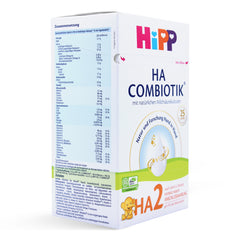
Hypoallergenic formula. What does formula smell like if it is hypoallergenic? The hypoallergenic formula has a harsh and metallic fragrance. The aroma is typically produced as a result of protein breakdown and can be pungent. HiPP HA Stage 2 Formula (6-12 months) is an excellent example of a hypoallergenic formula.
Goat milk formula. Goat milk formula has a strong and slightly musky smell. These formulas are usually less common but are best for babies with allergies. A prime example is Holle Goat Milk Formula Stage PRE for babies up to six months.
Many parents ask the question, "Why does formula stink?" The formula has a specific smell depending on the composition of the ingredients. Usually, healthy fats, proteins, and iron can create an unpleasant odor. The formula has this smell, but it is entirely normal. Here are the main reasons for the smell of formula:
Iron. The presence of iron in the formula can create an unpleasant smell. Usually, a formula with iron has a slightly metallic and rusty smell. A mixed formula can have a more intense smell.
Protein hydrolysates. The formula smells bad if it contains special protein hydrolysates. Usually, these proteins are used in hypoallergenic formulas to reduce any allergies. Protein hydrolysates are added for babies who have sensitive digestion. Usually, protein hydrolysates create a metallic or bitter smell.
DHA and healthy fats. Due to healthy fats such as omega-3, the formula can have a fishy smell. Usually, these fats are very beneficial and are the best for the development of the baby's brain. However, the formula can have an oily or fishy smell.
It is important for parents to consider storage conditions and keep an eye on the expiration date. Usually, storage conditions also have a significant impact on the formula. The formula can have a slight unpleasant smell, but should not stink aggressively. After the expiration date, the formula can have a strong smell because it has spoiled.
Very often, parents ask the question, "Why does baby formula smell like fish?" Usually, such a smell is not pleasant and raises many questions. A formula can have a smell due to hypoallergenic composition or special fats. It is certain ingredients that can create such a situation. Here are the key facts why the formula has such a smell:
DHA and omega-3 fats. Fats such as omega-3 fatty acids can cause a fishy smell. Usually, healthy fats are added to the formula for the health of the baby's eyes and brain. Even a small amount can have a fishy smell.
Hypoallergenic composition. Why does formula smell like fish? Due to the hypoallergenic composition, the formula can have an unpleasant smell. Special hydrolyzed formulas have modified proteins and create such a smell.
Heating formula. After heating, the formula can have a more pungent smell. The natural smell is enhanced by heating specific components.
Storage conditions. A formula with improper storage or with an open lid can intensify the smell. Sometimes the scent becomes more bitter, rich, fishy, and unpleasant.
Mixed formula sitting too long. A mixed formula can also have a strong scent if it sits for too long at room temperature.
It is important for parents to understand when a scent is not typical. If baby formula smells like fish and there is a sudden change in smell, this may be concerning. A smell that is too sour and rotten indicates that the formula has gone bad. The formula can clump together, form lumps, and separate.

Today, baby formula is an important choice for parents. Quality formulas from European brands, such as those offered by reputable suppliers like Organic Life Start, are worth considering. Parents pay attention to the composition, ingredients, and quality of formulas. However, parents should understand when formula smell is normal and when it is not. The usual smell occurs due to specific components. However, caution and attention will help to distinguish spoiled formulas. Here is the key information:
Sour or rotten smell. An unpleasant smell appears when the formula has already spoiled. Usually, the scent appears when the mixed formula has been allowed to stand for too long. After mixing, it is essential to throw away the formula after two hours.
Unusual color. An unusual color is another signal that the formula has spoiled. Unpleasant grayish and green shades indicate the growth of microbes and bacteria.
Baby's reaction. After feeding, the baby may vomit or have diarrhea. These symptoms are serious enough to discontinue the formula. A formula with spoiled composition and bacteria can cause this situation.
It is critical for parents to understand when formula smell is not normal. Expired or damaged packaging can lead to spoilage. Any negative symptoms in a baby may indicate poor-quality formula.
Parents can minimize the smell of baby formula with some practical tips. Proper storage is the first step to reducing the unpleasant aroma. The formula should be stored in a closed, dark, and dry place. This should be a place with a temperature of up to 25°C that minimizes any odor.
Baby formula smells bad when the lid is not closed correctly. Parents should close the lid tightly to prevent air from entering the formula. Using special airtight containers will help to maintain the quality of the formula.
Not all formulas smell the same — and knowing what to expect from your specific brand prevents unnecessary worry. Here's a brand-by-brand breakdown based on ingredient composition and real parent feedback:
| Formula | Typical Smell | Why It Smells That Way | Normal? |
|---|---|---|---|
| HiPP Formulas | |||
| HiPP Dutch Stage 1–4 | Mild, slightly sweet, faint milky | Lactose-only carbs, organic skim milk base, fish oil-derived DHA | ✅ Normal |
| HiPP German (Bio Combiotik) | Similar to Dutch but slightly starchy | Contains organic starch which gives a thicker, more bready aroma | ✅ Normal |
| HiPP HA (Hypoallergenic) | Stronger metallic/bitter note | Extensively hydrolyzed whey protein produces sulfur compounds (dimethyl disulfide). This is the #1 reason HA formulas smell different | ✅ Normal — all HA formulas smell this way |
| HiPP Comfort | Moderate metallic, slightly bitter | Partially hydrolyzed protein + reduced lactose. Less intense than HA but stronger than standard | ✅ Normal |
| HiPP Anti-Reflux | Mild, with a slightly earthy undertone | Locust bean gum (natural thickener) gives a faint vegetal scent | ✅ Normal |
| Holle Formulas | |||
| Holle Bio Cow Stage 1–3 | Very mild, almost neutral, slightly grassy | Minimal ingredient list (Demeter-certified). No added probiotics, no starch. Clean, simple composition = milder smell | ✅ Normal |
| Holle Goat | Distinct "goaty" or barnyard scent | Goat milk contains capric and caprylic fatty acids (named after "capra" = goat). These medium-chain triglycerides produce a characteristic tangy, musky aroma that is completely natural | ✅ Normal — all goat milk formulas smell this way |
| Kendamil Formulas | |||
| Kendamil Organic / Classic | Creamy, mild, slightly buttery | Made with whole milk fat (no palm oil). DHA from marine algae instead of fish oil — so no fishy smell. Generally considered one of the mildest-smelling formulas | ✅ Normal |
| US Brands (for comparison) | |||
| Similac Alimentum | Strong cheese-like odor | Extensively hydrolyzed casein (not whey) + lactose-free. Casein hydrolysis produces stronger-smelling peptides than whey | ✅ Normal for this type |
| Nutramigen (Enfamil) | Pungent, bitter, chemical-like | Extensively hydrolyzed casein + Enflora LGG probiotic. Widely considered the strongest-smelling infant formula on the market | ✅ Normal — unfortunately |
| Standard US formulas (Similac, Enfamil) | Metallic, sometimes fishy | Higher iron fortification than European formulas + fish oil-derived DHA. Corn syrup solids can add a sweet-metallic note | ✅ Normal |
Every parent has the same moment of panic: "this smells off — has it gone bad?" Here's how to tell the difference:
1. Use filtered water. Tap water minerals (chlorine, iron) can amplify the metallic smell of formula. Filtered or bottled water produces a noticeably milder result.
2. Don't overheat. Warming formula above 40°C (104°F) intensifies volatile compounds — especially DHA and iron. Warm to body temperature (37°C / 98.6°F) and stop there.
3. Feed immediately after mixing. The longer prepared formula sits, the more oxidation occurs — and oxidation makes DHA smell fishier. Mix and serve within 15 minutes for the mildest smell.
4. Seal containers tightly. Formula powder is porous and absorbs surrounding odors. Store sealed in a cool, dry place away from spices, coffee, or cleaning products. Never transfer formula to a different container.
5. Choose algae-based DHA formulas. If the fishy smell bothers you, Kendamil uses marine algae for DHA instead of fish oil — resulting in virtually no fish smell. Holle also uses algae-based DHA in newer formulations.
6. Clean bottles thoroughly. Residual formula in bottle crevices, nipple holes, and lids spoils quickly and produces sour odors. Use a bottle brush with hot soapy water after every feed, and sterilize daily.
The fishy smell comes from DHA (docosahexaenoic acid), an omega-3 fatty acid added to support brain and eye development. DHA is naturally found in fish oil, and when it oxidizes (reacts with air), it produces aldehydes with a fishy aroma. The smell is stronger in formulas that use fish oil-derived DHA (like HiPP and most US brands). Formulas that use algae-derived DHA (like Kendamil) have significantly less fish smell. Warming the formula amplifies this odor because heat accelerates oxidation.
HiPP HA contains extensively hydrolyzed whey protein — the protein is broken into tiny peptides to reduce allergenic potential. This hydrolysis process produces sulfur-containing compounds (notably dimethyl disulfide) that create a bitter, metallic smell. It's the same reason Nutramigen and Alimentum smell strong — all extensively hydrolyzed formulas share this characteristic. The smell is a direct sign that the protein has been properly broken down. HiPP Comfort has a milder version of this smell because its protein is only partially hydrolyzed.
Goat milk naturally contains higher levels of capric acid and caprylic acid — medium-chain fatty acids named after "capra" (the Latin word for goat). These fatty acids produce a characteristic tangy, musky, "goaty" aroma that some parents find off-putting. This is completely normal and does not indicate spoilage. Formulas like Holle Goat and HiPP Goat will always smell different from their cow milk equivalents. The smell does not affect nutritional quality or taste for the baby.
Not necessarily. Most formula has a naturally strong smell due to iron, DHA, and proteins. A formula that smells metallic, slightly fishy, or bitter is almost certainly fine. The warning signs of actual spoilage are: a distinctly sour or acidic smell (like spoiled dairy), visible clumping or discoloration of the powder, separation of mixed formula into liquid and solid layers, or mold on the container rim. If the smell is consistent with what you've experienced from previous containers of the same brand, it's normal.
Heat increases the volatility of aromatic compounds — meaning more scent molecules become airborne and reach your nose. Specifically, warming accelerates the oxidation of DHA (producing fishier aldehydes) and makes iron compounds more detectable. This is a purely physical phenomenon and does not mean the formula has spoiled. To minimize this, warm formula to body temperature (37°C / 98.6°F) and no higher. The Baby Brezza dispenses at a controlled temperature which helps.
Kendamil is widely considered the mildest-smelling European formula because it uses algae-derived DHA (no fish oil), whole milk fat (creamy rather than metallic), and no palm oil. Holle Bio Cow is also very mild due to its minimal ingredient list — no probiotics, no starch, just clean organic milk and lactose. Among HiPP formulas, the standard HiPP Dutch line is milder than HiPP German (which contains starch) or HiPP HA (which has hydrolyzed protein).
Yes. A metallic smell is one of the most common formula odors and is caused by iron fortification. EU regulations require all infant formulas to contain iron (0.3–1.3 mg per 100 kcal) because infants absorb only about 10% of the iron in formula, compared to ~70% from breast milk. The higher concentration needed to meet nutritional requirements produces a noticeable metallic scent. This is a sign the formula is properly fortified — not that something is wrong. European formulas typically contain less iron than US formulas, which is one reason they tend to smell milder.
Yes — significantly. Tap water containing chlorine, high mineral content (hard water), or elevated iron levels can amplify the metallic smell of formula. Filtered water or low-mineral bottled water generally produces a milder result. If you notice your formula smells different after moving to a new home or switching water sources, the water is likely the cause. Always use water that's safe for infant consumption — check with your local health department if you're unsure about your tap water quality.
Batch-to-batch variation is normal in all formula manufacturing. The DHA content, milk sourcing, and even seasonal differences in the cows' or goats' diet can affect the aroma of the final product. European organic formulas can vary more than US formulas because organic standards prohibit certain processing techniques that standardize smell. If the difference is subtle (slightly more or less fishy/milky), it's almost certainly a normal batch variation. If the smell is dramatically different or sour, check the expiration date and storage conditions.
Once opened, powdered formula should be used within 3–4 weeks (most European manufacturers specify 3 weeks on the packaging). After this period, the powder absorbs moisture and atmospheric compounds, which can alter both smell and nutritional content. Mark the opening date on the container with a marker. Store in a cool, dry place (not the refrigerator — condensation from repeated opening introduces moisture). Never use formula past the printed expiration date, even if the container was never opened.
Prepared formula is safe at room temperature for no more than 2 hours. If refrigerated immediately after preparation, it can be used within 24 hours. If stored in a cool bag with an ice pack (for travel), use within 4 hours. These are strict timelines — formula is a nutrient-rich medium that supports rapid bacterial growth. If formula has been out longer than 2 hours or smells sour, discard it. See our feeding schedule guide for tips on preparing the right amount.
Generally, yes — organic formulas tend to smell milder and more natural than conventional formulas. This is because organic formulas (like HiPP, Holle, and Kendamil) use organic lactose instead of corn syrup solids, organic vegetable oils instead of synthetic blends, and are manufactured without artificial flavor masking agents. The absence of corn-based sweeteners removes the sweet-metallic note common in US formulas. However, organic HA formulas still smell strong due to the hydrolyzed protein — organic certification doesn't change the chemistry of protein hydrolysis.
Organic Life Start is committed to providing accurate, reliable, and trustworthy information to parents and caregivers. We carefully choose credible sources and follow a meticulous fact-checking process to uphold the highest standards in infant nutrition and parenting advice. To learn more about our dedication to accuracy, please explore our editorial guidelines.
Link To Sources

By: Angel
Proud mom to one amazing child who needs a bit of extra attention and care. Organic Life Start customer service since 2022.




Elias Boykin -
Does anyone have a good alternative to dealing with the strong fishy smell of baby formula, especially during night feeds or when warming bottles? I just read this article from Organic Life Start
and found it interesting how DHA and certain proteins can really change the smell depending on the formula type. Some parents online mentioned using airtight containers or switching to formulas with algae-based DHA helped reduce the odor a bit.
Kendal S -
One thing we were not fully prepared for as parents was the smell of baby formula, especially when trying different brands and specialized formulas. Some formulas honestly smelled much stronger or more unusual than we expected, and at first it made us question if something was wrong. We quickly learned that certain ingredients, especially in hypoallergenic or hydrolyzed formulas, naturally create a different smell compared to regular milk. In the beginning, preparing bottles with that unfamiliar scent was not always pleasant, and we worried our baby might dislike it too. Surprisingly, our little one adjusted much faster than we did and happily continued drinking without any issues. Over time, we realized that the smell of the formula mattered far less than how well it supported our baby’s health and comfort. As parents, we slowly learned to stop focusing on the scent and instead pay attention to how our baby was thriving and feeling every day. We also discovered that many other parents experienced the same thing, which made us feel less alone and reassured us that it was completely normal. Eventually, the smell just became part of our daily routine, and we barely even noticed it anymore. Looking back now, we learned that parenting often involves accepting small things that may seem strange at first, especially when they ultimately help your child grow healthy and happy.
Marcella -
When I first opened the box of HiPP HA for my son Stan, I was worried because I could smell chemicals. I’m worried that something went wrong because it wasn’t what I expected. Small changes might make a parent think too much. To ensure I overlooked nothing, I meticulously scrutinized the box and prepared the bottle with precision. My research indicates that hypoallergenic formulations, like HiPP HA, may exhibit a distinct odor attributable to their protein content. When I got the explanation, I felt a huge feeling of relief. Stan has been doing well with it, and after each meal, he appears happy and calm. Seeing him content reassures me more than anything else. Now I understand that the smell doesn’t mean something is wrong. It’s just part of what makes the formula gentle for sensitive babies like him.