Total: $0.00
Baby can't wait?
(exclusive offer)

Medically reviewed content. Last updated: May 2026.
If your baby is gassy, fussy, or showing signs of digestive discomfort, your first instinct might be to look for a lactose-free formula. But here's the truth most formula guides skip: true lactose intolerance in infants is extremely rare. What looks like a lactose problem is almost always something else — a temporary lactase shortage, cow's milk protein sensitivity, or normal newborn digestive immaturity.
This guide will help you figure out what's actually going on, whether you need a lactose-free, reduced-lactose, or hydrolyzed formula, and which specific products are worth considering in 2026 — including European options most US guides don't cover.
These three conditions are constantly confused, and the confusion leads parents to choose the wrong formula. Here's a clear breakdown:
| Feature | Lactose Intolerance | Cow's Milk Protein Allergy (CMPA) | Milk Protein Sensitivity |
|---|---|---|---|
| What it is | Can't digest lactose (milk sugar) due to insufficient lactase enzyme | Immune system reacts to cow's milk proteins (casein or whey) | Digestive system struggles with intact milk proteins (no immune response) |
| How common in infants | Very rare (congenital form affects ~1 in 60,000). Temporary lactase deficiency after gastro illness is more common | Affects 2–3% of infants | More common than allergy but less severe, exact prevalence unknown |
| Key symptoms | Gas, bloating, watery diarrhea, stomach cramps — usually 30 min to 2 hrs after feeding | Hives, eczema, vomiting, bloody stool, wheezing, facial swelling — can be immediate or delayed | Fussiness, gas, loose stools, mild spit-up — no skin or respiratory symptoms |
| Right formula type | Lactose-free or reduced-lactose (still contains milk protein) | Extensively hydrolyzed (e.g., HiPP HA, Nutramigen) or amino acid-based (EleCare, Neocate) | Partially hydrolyzed or comfort formula (e.g., HiPP Comfort, Kendamil Comfort) |
| Lactose-free formula works? | ✅ Yes | ❌ No — the problem is the protein, not the sugar | ⚠️ May help partially, but comfort/hydrolyzed is better |
Not all "lactose-free" formulas are the same. They fall into four categories, each designed for a different level of lactose sensitivity:
These formulas lower the lactose content significantly (typically from ~7g/100ml down to 2–3g/100ml) and replace it with easier-to-digest carbs like maltodextrin or starch. They're the best first step for babies with mild lactose sensitivity or temporary lactase deficiency after a stomach illness. European examples include HiPP Comfort (2.7g lactose/100ml) and Kendamil Comfort.
These keep the cow's milk protein but completely remove lactose, replacing it with corn-based carbohydrates (corn syrup solids, maltodextrin, or sucrose). US examples include Similac Sensitive, Enfamil Lactose-Free, and Gerber Good Start SoothePro. UK options include SMA LF and Aptamil Lactose-Free. These are appropriate for confirmed lactose intolerance but not for cow's milk protein allergy.
These formulas address both lactose and protein issues. The milk protein is broken into small fragments (hydrolyzed) that are less likely to trigger an immune response. European options include HiPP HA (extensively hydrolyzed whey, contains some lactose) and Aptamil Pepti (90% hydrolyzed). US options include Nutramigen and Alimentum — both lactose-free and extensively hydrolyzed.
For severe CMPA where even hydrolyzed formulas cause reactions. Proteins are broken down to individual amino acids. Examples: EleCare, Neocate, Alfamino. These are always lactose-free but are expensive ($45–55 per can) and typically require a prescription. Use only under medical supervision.
Below is every major lactose-free and reduced-lactose formula available in 2026, compared side by side — including European brands that most US guides ignore.
| Formula | Type | Lactose | Protein | Age | Origin | Best For |
|---|---|---|---|---|---|---|
| European — Reduced Lactose | ||||||
| HiPP Comfort | Reduced | 2.7g/100ml | Hydrolyzed whey | 0+ mo | 🇩🇪 Germany | Colic, gas, constipation + mild lactose sensitivity. Best all-rounder |
| HiPP Comfort UK | Reduced | Reduced | Hydrolyzed whey | 0+ mo | 🇬🇧 UK | UK version of Comfort. Similar formulation |
| Kendamil Comfort | Reduced | Reduced | Partially hydrolyzed | 0+ mo | 🇬🇧 UK | Palm oil-free comfort option with MFGM |
| European — Hypoallergenic (Low Lactose + Hydrolyzed Protein) | ||||||
| HiPP HA PRE | HA | Contains lactose | Extensively hydrolyzed whey (86–87%) | 0–6 mo | 🇩🇪 Germany | Allergy prevention. No starch, thinnest consistency |
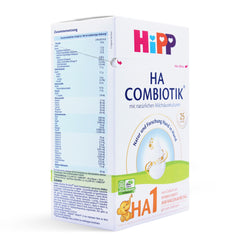
| HiPP HA Stage 1 | HA | Contains lactose | Extensively hydrolyzed whey (86–87%) | 0–6 mo | 🇩🇪 Germany | CMPA prevention + family allergy history |
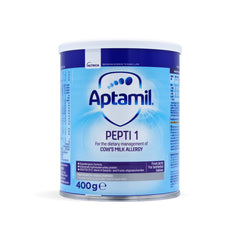
| Aptamil Pepti 1 | HA | Lactose-free | Extensively hydrolyzed whey (90%) | 0+ mo | 🇬🇧 UK | Diagnosed CMPA — higher hydrolysis than HiPP HA |
| European — Goat Milk (Naturally Lower in Lactose) | ||||||
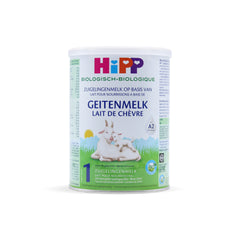
| HiPP Dutch Goat Stage 1 | Goat | Contains lactose (slightly lower than cow) | Intact A2 goat protein | 0–6 mo | 🇳🇱 Netherlands | Mild cow milk sensitivity (not allergy). Softer curds |
| Holle Goat Stage 1 | Goat | Contains lactose | Intact goat protein | 0–6 mo | 🇨🇭 Switzerland | Demeter-certified organic, palm oil-free |
| Kabrita Goat Stage 1 | Goat | Contains lactose | Intact goat protein | 0–12 mo | 🇳🇱 Netherlands | FDA-registered, widely available goat milk option |
| US Brands — Lactose-Free | ||||||
| Similac Sensitive | LF | 0% | Intact cow milk | 0–12 mo | 🇺🇸 USA | Most popular US lactose-free. No palm oil |
| Enfamil Lactose-Free | LF | 0% | Intact cow milk | 0–12 mo | 🇺🇸 USA | Iron-fortified, clinically proven, budget-friendly |
| Enfamil Gentlease | Reduced | ~20% of standard | Partially hydrolyzed | 0–12 mo | 🇺🇸 USA | Ranked #1 for ease of digestion in 2026 parent surveys |
| Similac 360 Total Care Sensitive | Reduced | Reduced | Intact cow milk | 0–12 mo | 🇺🇸 USA | 5 HMOs for gut health + reduced lactose |
| US Brands — Hypoallergenic + Lactose-Free | ||||||
| Nutramigen (Enfamil) | HA + LF | 0% | Extensively hydrolyzed casein | 0–12 mo | 🇺🇸 USA | Gold standard for diagnosed CMPA in the US |
| Alimentum (Similac) | HA + LF | 0% | Extensively hydrolyzed casein | 0–12 mo | 🇺🇸 USA | Alternative to Nutramigen. 2 variants (ready-to-feed, powder) |
| UK Brands — Lactose-Free | ||||||
| SMA LF (SMA Lactose-Free) | LF | 0% | Intact cow milk | 0+ mo | 🇬🇧 UK | UK equivalent of Similac Sensitive |
| Aptamil Lactose-Free | LF | 0% | Intact cow milk | 0+ mo | 🇬🇧 UK | From Nutricia (same parent company as Aptamil) |
LF = Lactose-Free. HA = Hypoallergenic. Lactose content values from manufacturer data, May 2026.
Start from your baby's primary symptom and work down:
Gas, bloating, or watery diarrhea after feeds (no skin symptoms):
This pattern suggests lactose sensitivity. Start with a reduced-lactose formula like HiPP Comfort. If it was triggered by a recent stomach bug, temporary lactase deficiency is likely — most babies can return to their regular formula within 2–4 weeks.
Gas + fussiness + colic, but no diarrhea:
More likely general digestive immaturity, not lactose intolerance. A comfort formula with hydrolyzed protein (like HiPP Comfort or Kendamil Comfort) is typically more effective than a fully lactose-free formula. See our colic guide for detailed comparisons.
Eczema, hives, wheezing, or blood in stool:
These are signs of CMPA — an immune response to milk protein. Removing lactose alone won't help. You need an extensively hydrolyzed formula (HiPP HA, Nutramigen, Alimentum) or, in severe cases, an amino acid formula (EleCare, Neocate). See our hypoallergenic formula guide.
Mild fussiness with cow's milk formula, no severe symptoms:
Try a goat milk formula first (HiPP Goat, Holle Goat). Goat milk contains naturally lower levels of the Alpha-S1 casein protein that causes most sensitivities, and forms softer curds in the stomach. It still contains lactose, so it's not suitable for true lactose intolerance.
Diagnosed lactose intolerance (confirmed by pediatrician):
Use a fully lactose-free formula — Similac Sensitive, Enfamil Lactose-Free, SMA LF, or Aptamil Lactose-Free. For European parents who prefer organic options, HiPP Comfort is the closest EU alternative (reduced lactose, not zero).
European formula regulations differ from US FDA rules in ways that matter for lactose-sensitive babies:
Carbohydrate replacement: US lactose-free formulas (Similac Sensitive, Enfamil LF) replace lactose with corn syrup solids — a cheap, effective energy source, but one that some parents prefer to avoid. European formulas like HiPP Comfort replace lactose with a combination of maltodextrin and starch, which parents generally consider cleaner ingredients.
Organic certification: No US lactose-free formula is USDA organic. HiPP Comfort is made with organic ingredients (though it can't carry full organic certification because hydrolyzed protein isn't available in organic form).
Probiotics: HiPP Comfort is the only reduced-lactose formula on the market that includes both prebiotics (GOS) and probiotics (Lactobacillus fermentum) — clinically shown to support gut flora development. US lactose-free formulas generally don't include probiotics.
Availability: True lactose-free (0% lactose) European formulas are rare because EU regulations require lactose as the primary carbohydrate in standard infant formula. That's why most European options are "reduced lactose" rather than fully lactose-free. For parents who need 0% lactose, US or UK brands (Similac Sensitive, SMA LF) are the practical choice.
Watch for these symptoms, which typically appear 30 minutes to 2 hours after a feed:
| Likely Lactose Sensitivity | Likely NOT Lactose (consider CMPA or other) |
|---|---|
| Watery, explosive diarrhea after feeds | Blood or mucus in stool |
| Excessive gas and bloating | Eczema, hives, or facial swelling |
| Stomach cramps (drawing legs up) | Wheezing or difficulty breathing |
| Symptoms improve on reduced-lactose formula | Persistent projectile vomiting |
| Triggered by stomach illness (temporary) | Poor weight gain despite adequate intake |
Based on ingredient quality, clinical evidence, and parent feedback, here are our picks across different needs:
1. HiPP Comfort — Best Overall for Digestive Sensitivity
Reduced lactose (2.7g/100ml), hydrolyzed whey protein, prebiotics + probiotics, beta-palmitate fat blend. The only comfort formula that addresses lactose sensitivity, protein sensitivity, and constipation simultaneously. Clinically shown to reduce crying by up to 40%. From $34.00/box (600g).
2. HiPP HA Stage 1 — Best When Allergy Risk Exists
Extensively hydrolyzed whey (86–87% hydrolysis), still contains some lactose for gut development, probiotics included. Ideal when a parent or sibling has allergies and you want to minimize risk. From $34.95/box (600g). See our HiPP Comfort vs HiPP HA comparison.
3. HiPP Dutch Goat Stage 1 — Best Natural Alternative to Cow's Milk
A2 goat milk with naturally softer protein curds and slightly lower lactose than cow's milk. Not lactose-free but well-tolerated by many babies who struggle with standard cow's milk formulas. From $36.85/can (400g). See our goat milk formula guide.
4. Similac Sensitive — Best Fully Lactose-Free (US)
0% lactose, intact cow's milk protein, no palm oil. The most popular lactose-free formula in the US — widely available and well-tolerated. Best choice when your pediatrician confirms true lactose intolerance and you need a 0% lactose option.
5. Aptamil Pepti 1 — Best for Diagnosed CMPA (European)
90% hydrolyzed whey protein, lactose-free. More aggressive protein breakdown than HiPP HA, making it suitable for diagnosed CMPA (not just prevention). Available through Organic Life Start.
Switching formulas abruptly can cause temporary digestive upset regardless of the formula. Follow this gradual approach:
Days 1–2: Mix 75% current formula + 25% new formula in every bottle.
Days 3–4: Mix 50/50.
Days 5–6: Mix 25% current + 75% new formula.
Day 7+: 100% new formula.
Give the new formula at least 2 full weeks before judging whether it's working. Mild changes in stool color and consistency during transition are normal. If symptoms worsen significantly (blood in stool, severe vomiting, refusal to eat), contact your pediatrician immediately.
No. Congenital lactose intolerance (born without the lactase enzyme) is extremely rare — affecting roughly 1 in 60,000 babies worldwide. What's far more common is temporary lactase deficiency, which can happen after a bout of gastroenteritis and resolves within 2–4 weeks. Developmental lactose intolerance (the kind most adults experience) typically doesn't develop until age 3–5 at the earliest.
No. Lactose-free formulas (like Similac Sensitive or Enfamil Lactose-Free) still contain cow's milk protein — the ingredient that triggers allergic reactions. For cow's milk protein allergy (CMPA), you need an extensively hydrolyzed formula like HiPP HA, Nutramigen, or Alimentum — or an amino acid formula (EleCare, Neocate) for severe cases.
No, HiPP Comfort is not fully lactose-free — it has reduced lactose content (2.7g per 100ml), which is significantly less than the ~7g/100ml in standard formulas. It also uses hydrolyzed protein, prebiotics, and probiotics to improve digestion. For most babies with lactose sensitivity, this reduction is sufficient. For confirmed lactose intolerance requiring 0% lactose, choose Similac Sensitive or SMA LF instead.
No. Goat milk naturally contains lactose — roughly 4.1g per 100ml compared to 4.7g in cow's milk. The difference is small. Goat milk formulas like HiPP Goat and Holle Goat are easier to digest primarily because of their different protein structure (A2 beta-casein, softer curds), not because of lactose content. They're suitable for mild cow's milk sensitivity but not for diagnosed lactose intolerance.
Most US lactose-free formulas replace lactose with corn syrup solids or maltodextrin — both are easily digestible carbohydrates that provide the same caloric energy. European reduced-lactose formulas like HiPP Comfort use a combination of maltodextrin and starch instead of corn-based sugars. While nutritionally equivalent, some parents prefer the European approach to avoid corn derivatives.
Not necessarily. Colic has many possible causes, and lactose is only one factor. A comfort formula with reduced lactose and hydrolyzed protein (like HiPP Comfort) is usually more effective than a purely lactose-free formula because it addresses multiple digestive triggers at once. HiPP Comfort has been clinically shown to reduce crying by up to 40% in colicky babies. See our complete colic guide for more options.
Very few. EU regulations require lactose as the primary carbohydrate in standard infant formula, which is why most European options are "reduced lactose" rather than fully lactose-free. The exceptions are specialty formulas like Aptamil Pepti (lactose-free, extensively hydrolyzed) and SMA LF (UK, fully lactose-free). If you need a 0% lactose European formula, Aptamil Pepti through Organic Life Start is your best option.
It depends on the cause. If your baby has temporary lactase deficiency after illness, you can typically reintroduce a standard lactose-based formula after 2–4 weeks. Try mixing gradually (25% standard formula, then 50%, then 75%). If the congenital form is diagnosed, your baby will need lactose-free formula throughout infancy and likely beyond. Your pediatrician can help determine the right timeline.
Yes — in fact, mixing is the recommended way to transition between formulas. Start with 75% regular + 25% lactose-free and adjust the ratio over 5–7 days. This is also a useful diagnostic tool: if symptoms return as you add more regular formula, it confirms lactose is contributing to the problem. Check our feeding schedule guide for amounts by age.
If your baby has both reflux and lactose sensitivity, the best approach is a thickened + reduced-lactose formula. HiPP Anti-Reflux contains locust bean gum for thickening but is not reduced-lactose. You could also use HiPP Comfort (reduced lactose) and thicken it slightly with a variable-flow nipple. In the US, Enfamil AR Sensitive combines thickening + lactose reduction. See our reflux formula guide.
Choosing the right formula often involves understanding more than just lactose. Here are our most helpful related guides:
Shop reduced-lactose and specialty formulas:
This guide is for informational purposes only and does not constitute medical advice. Always consult your pediatrician before changing your baby's formula or diet. Organic Life Start is not responsible for individual health outcomes.
Organic Life Start is committed to providing accurate, reliable, and trustworthy information to parents and caregivers. We carefully choose credible sources and follow a meticulous fact-checking process to uphold the highest standards in infant nutrition and parenting advice. To learn more about our dedication to accuracy, please explore our editorial guidelines.
Link To Sources

By: Isa
Happy mom of 1. Built her career in the medical equipment industry, and later on converted her passion to serving babies. Organic Life Start customer service since 2022.



Karly -
I am personally against corn syrup, which is why I am so glad that even if my child has some sensitivity to cow’s milk, there are gentle options of a European baby formula.
Gillian D -
When my baby had constant fussiness, I wish I had known sooner that lactose-free formula could help ease digestion.
Ashely -
When my baby was dealing with constant gas and discomfort, I wish I had known earlier that lactose-free formula options could make a difference.